MENU

Design.Shreya

Driving Ideas to execution

Driving Ideas to execution

With research, strategy & user centered thinking

With research, strategy & user centered thinking

1. Primary Research

1. Primary Research

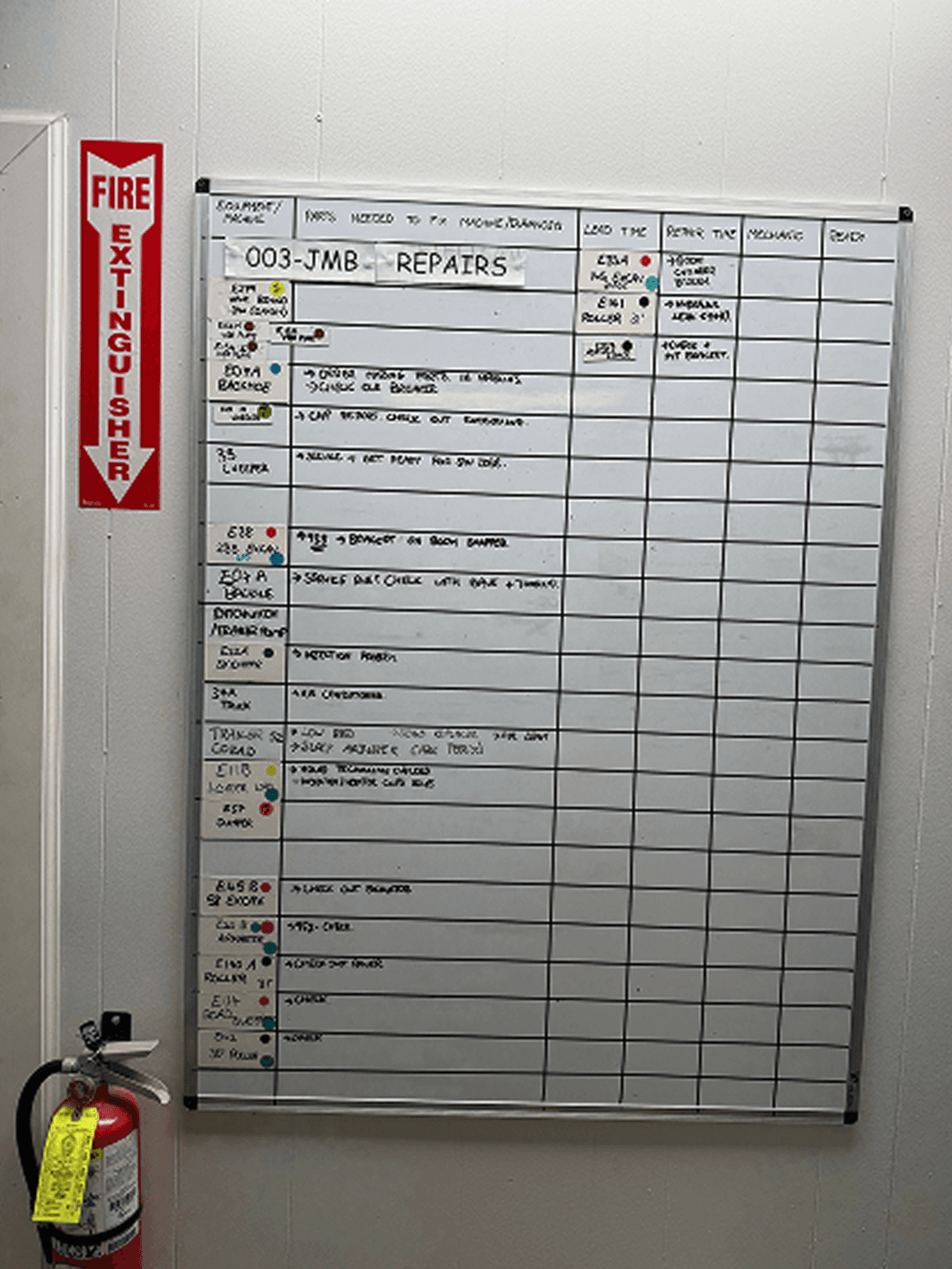
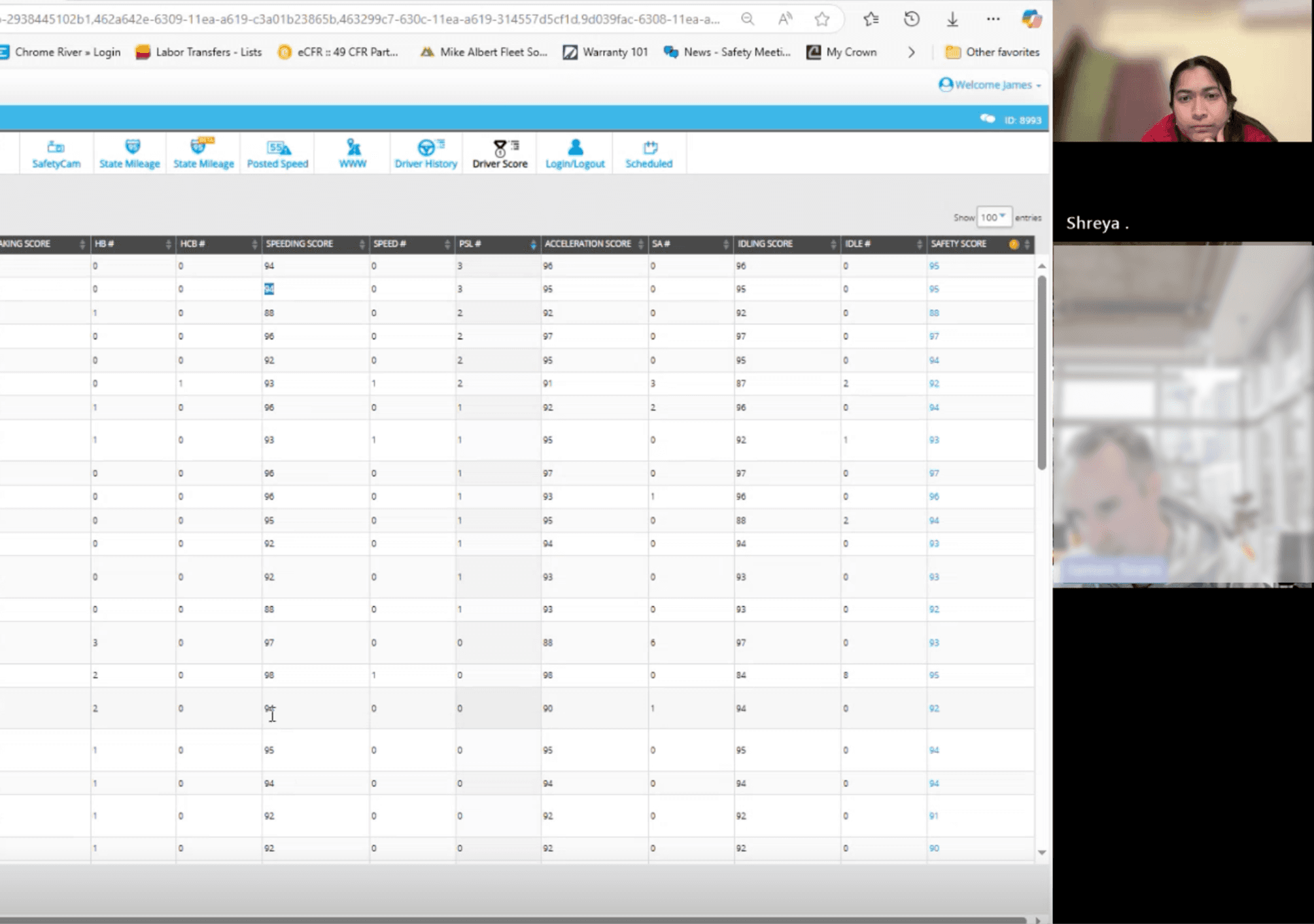
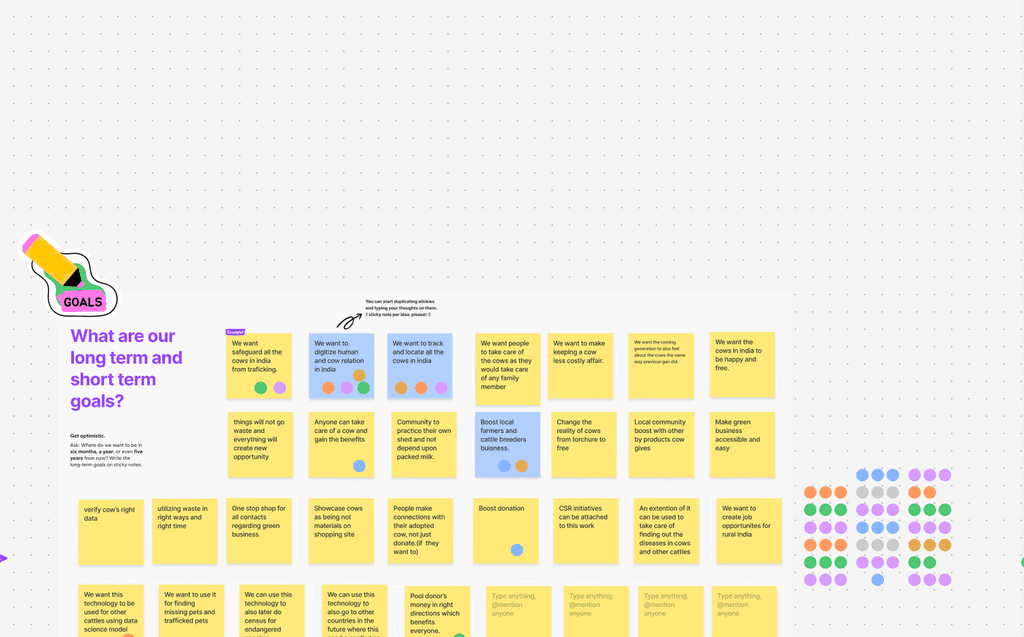
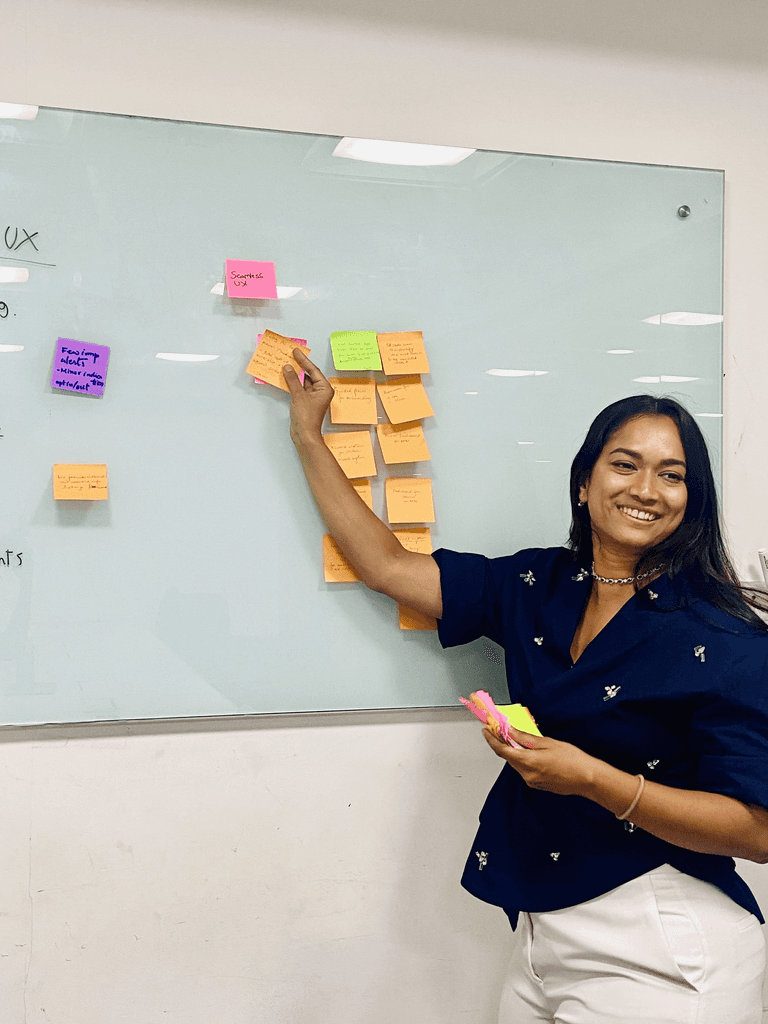
With a background in Human-Centered Design, one of the first things I learned was the power of primary research interviews, contextual inquiry, and truly understanding users beyond what they say. Over time, I’ve realised that the problem we are asked to solve is rarely the real problem. I don’t take requirements at face value; I challenge assumptions, dig deeper, and uncover insights that shift the conversation from ‘what needs to be built’ to ‘what needs to be solved.’ This process isn’t just about gathering data, it’s about revealing blind spots, reframing challenges, and making sure we focus on what truly matters.

With a background in Human-Centered Design, one of the first things I learned was the power of primary research interviews, contextual inquiry, and truly understanding users beyond what they say. Over time, I’ve realised that the problem we are asked to solve is rarely the real problem. I don’t take requirements at face value; I challenge assumptions, dig deeper, and uncover insights that shift the conversation from ‘what needs to be built’ to ‘what needs to be solved.’ This process isn’t just about gathering data, it’s about revealing blind spots, reframing challenges, and making sure we focus on what truly matters.

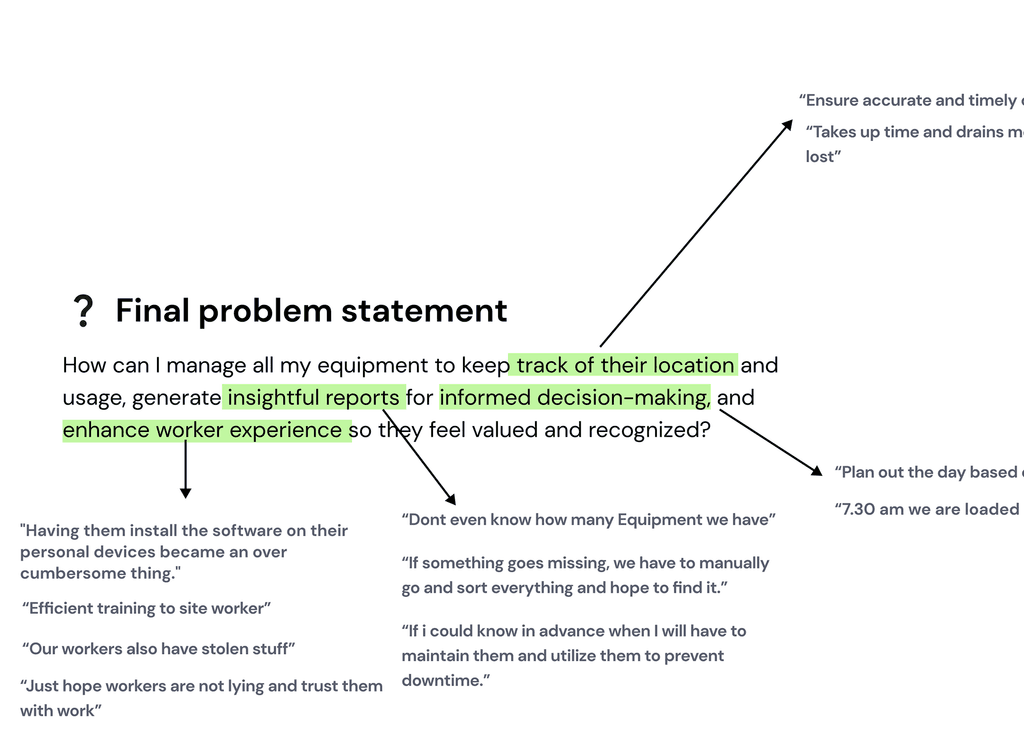
I love the process of discovering the real problem statement, it gives me purpose, and more importantly, it gives the team clarity and direction. When we understand the core issue, every design decision becomes more intentional, and the impact becomes more meaningful. I talk to potential users and current customers to uncover what will actually make their lives better, not just what fits within a given requirement. By pushing beyond the obvious and questioning the status quo, I ensure that the solutions we create don’t just check a box but drive real, measurable improvements in people’s experiences.
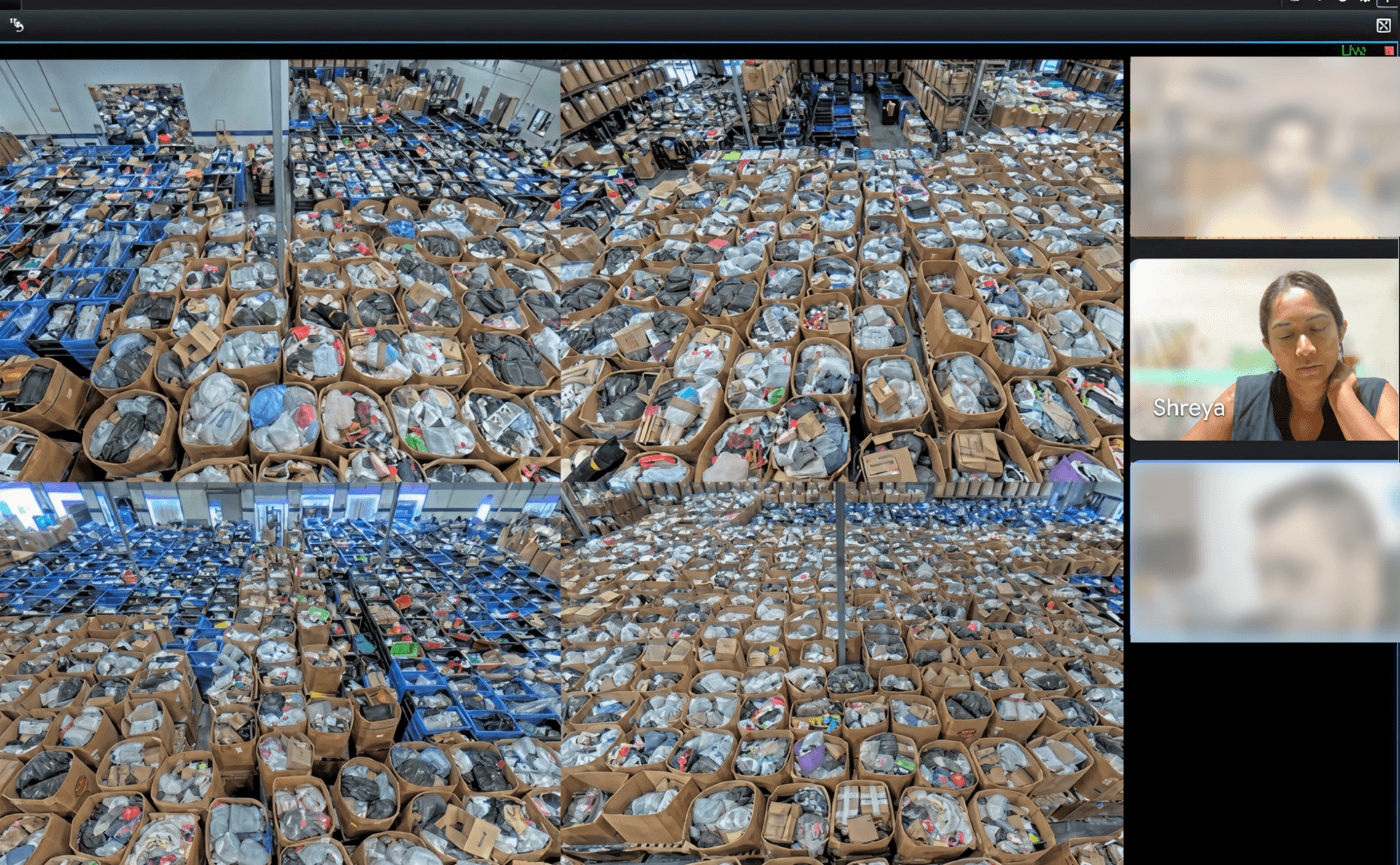
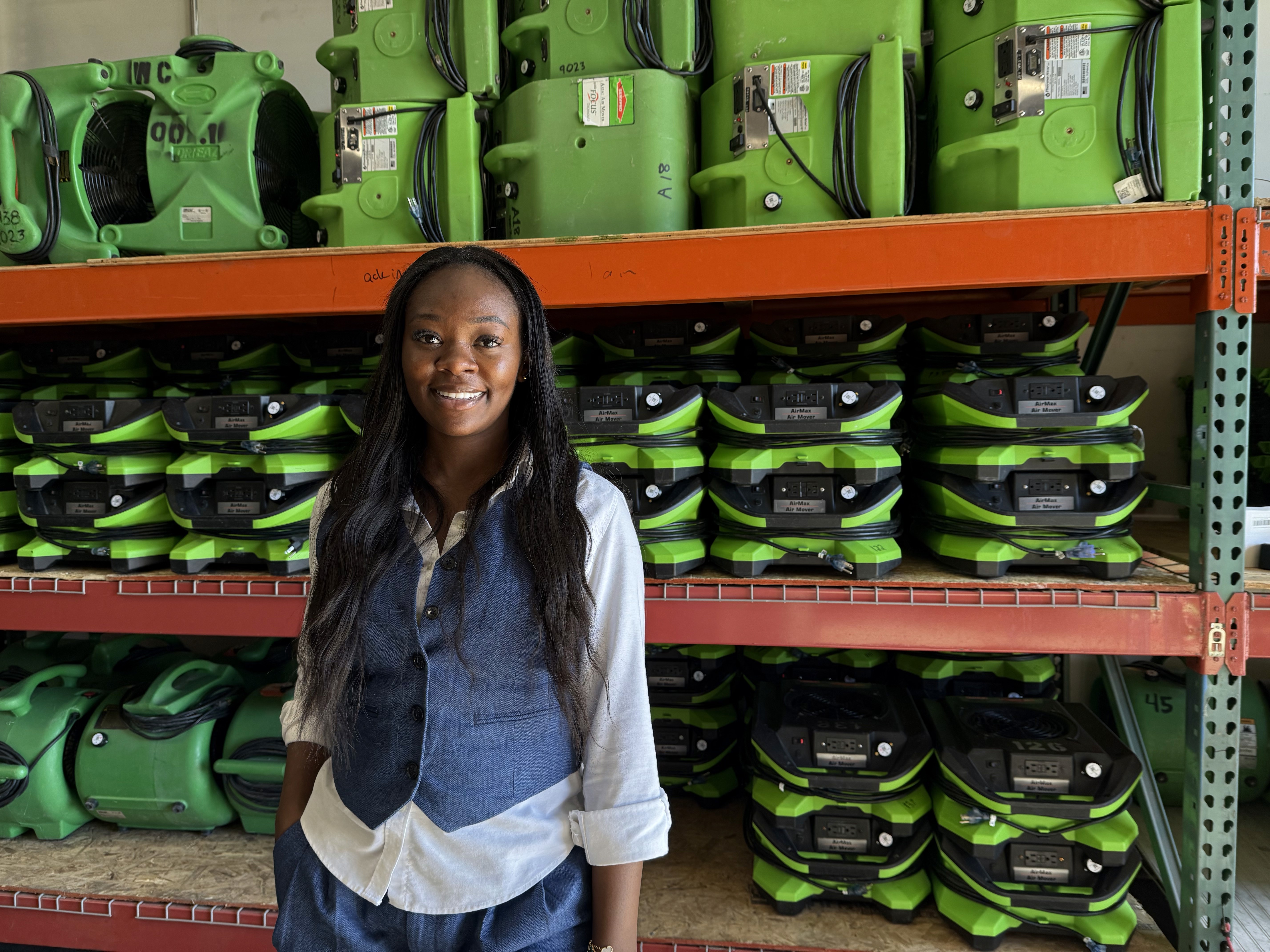
I love the process of discovering the real problem statement, it gives me purpose, and more importantly, it gives the team clarity and direction. When we understand the core issue, every design decision becomes more intentional, and the impact becomes more meaningful. I talk to potential users and current customers to uncover what will actually make their lives better, not just what fits within a given requirement. By pushing beyond the obvious and questioning the status quo, I ensure that the solutions we create don’t just check a box but drive real, measurable improvements in people’s experiences.
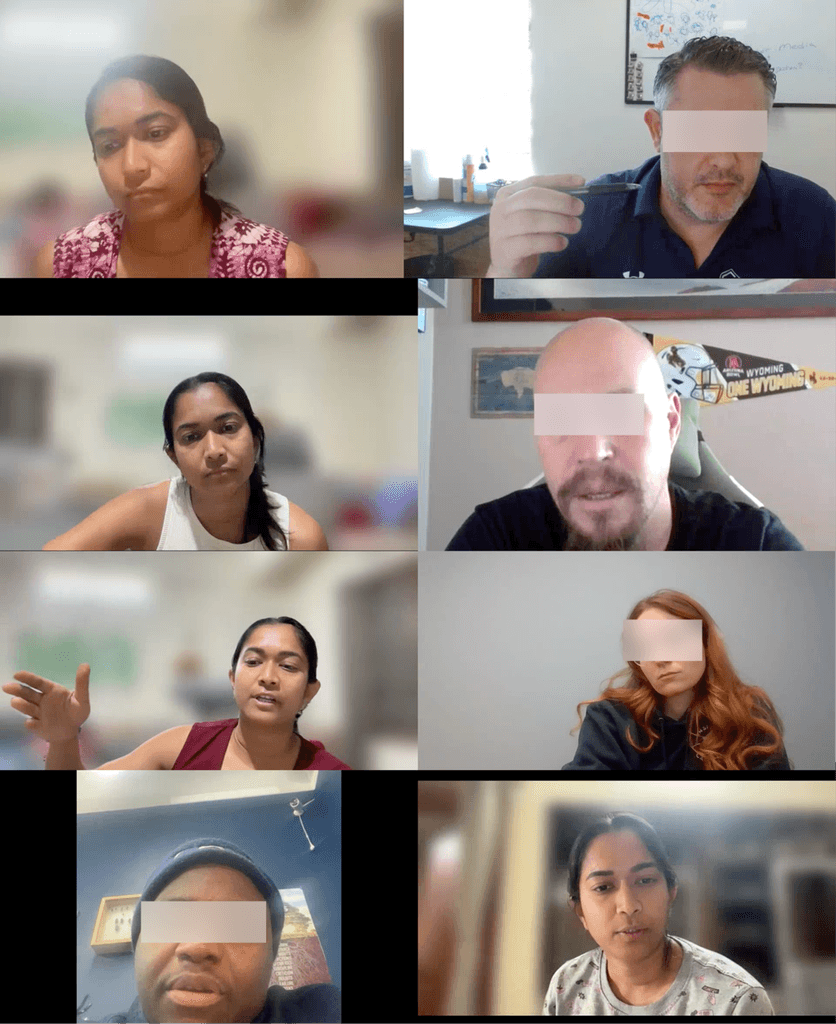
2. Design Performance optimisation

2. Design Performance optimisation

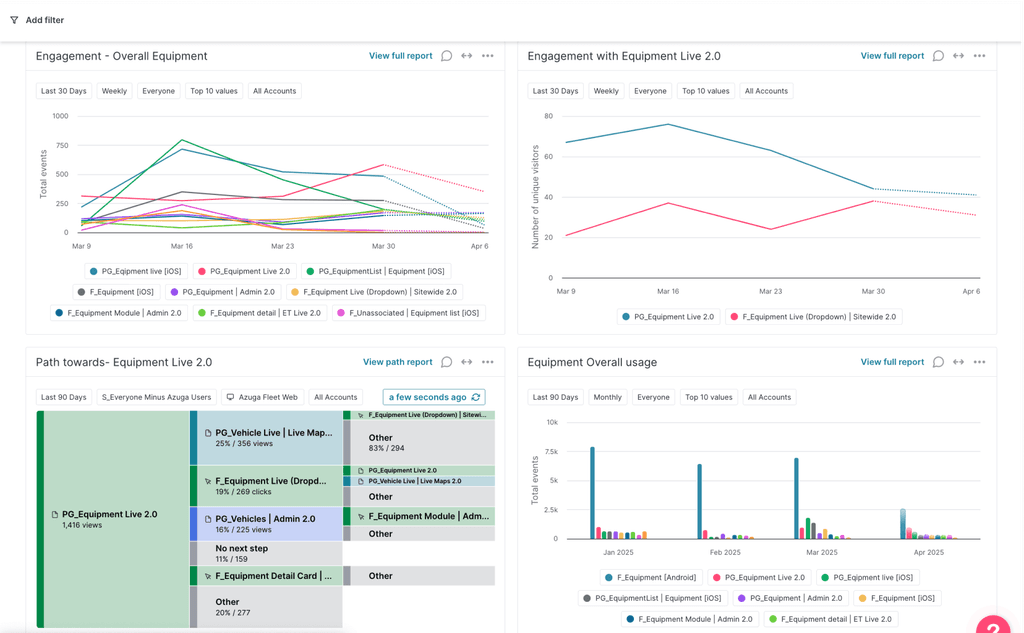
Designing and delivering a product is an incredibly fulfilling experience, but assuming users will engage with it exactly as intended is just wishful thinking. Expectations evolve every six months users demand more, competition gets tougher, and staying ahead requires constant evaluation. This is where usability metrics become invaluable. They tell me whether we’re keeping up, where friction exists, and how our product is truly performing at scale. What’s most rewarding is seeing the research, ideation, testing, and storytelling we did months ago come to life and get validated by real users. It’s proof that great design isn’t just about vision it’s about impact.

Designing and delivering a product is an incredibly fulfilling experience, but assuming users will engage with it exactly as intended is just wishful thinking. Expectations evolve every six months users demand more, competition gets tougher, and staying ahead requires constant evaluation. This is where usability metrics become invaluable. They tell me whether we’re keeping up, where friction exists, and how our product is truly performing at scale. What’s most rewarding is seeing the research, ideation, testing, and storytelling we did months ago come to life and get validated by real users. It’s proof that great design isn’t just about vision it’s about impact.

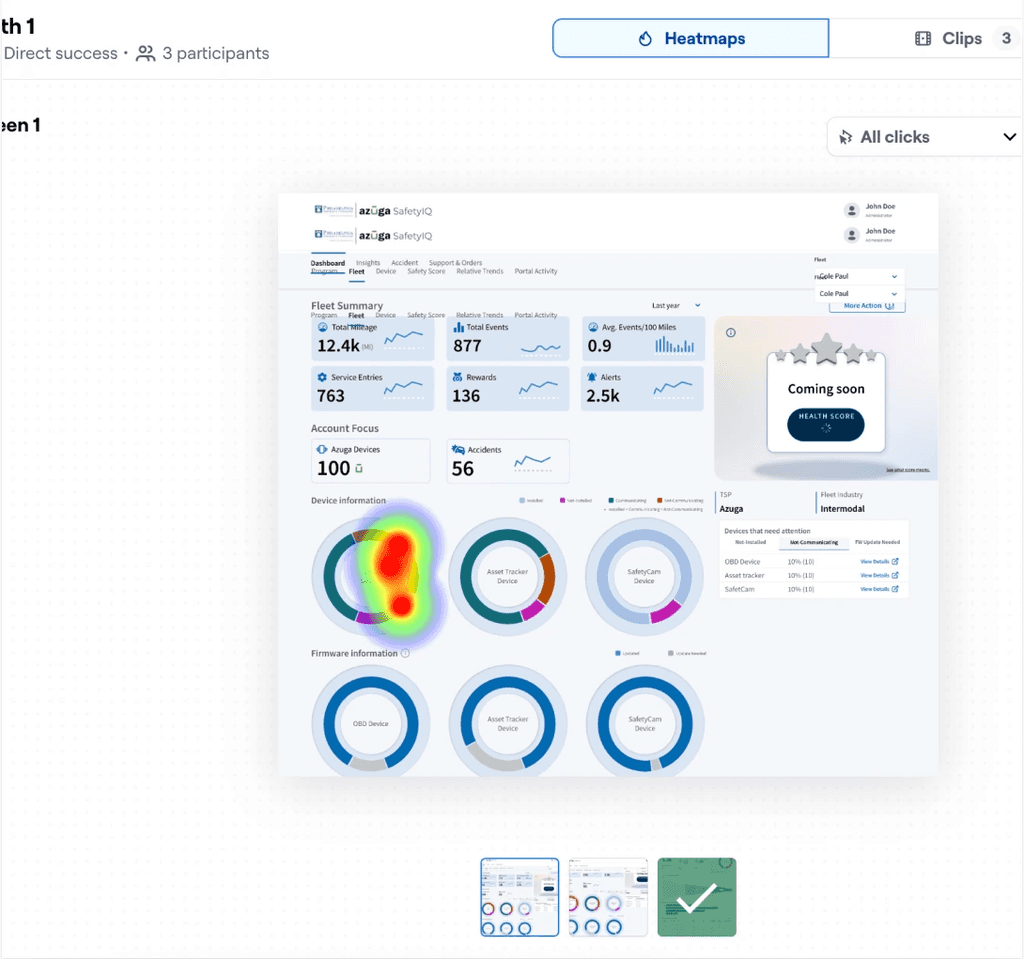
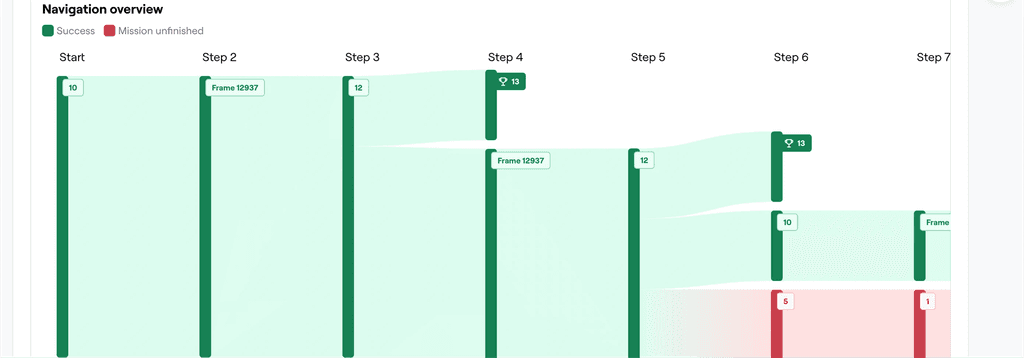
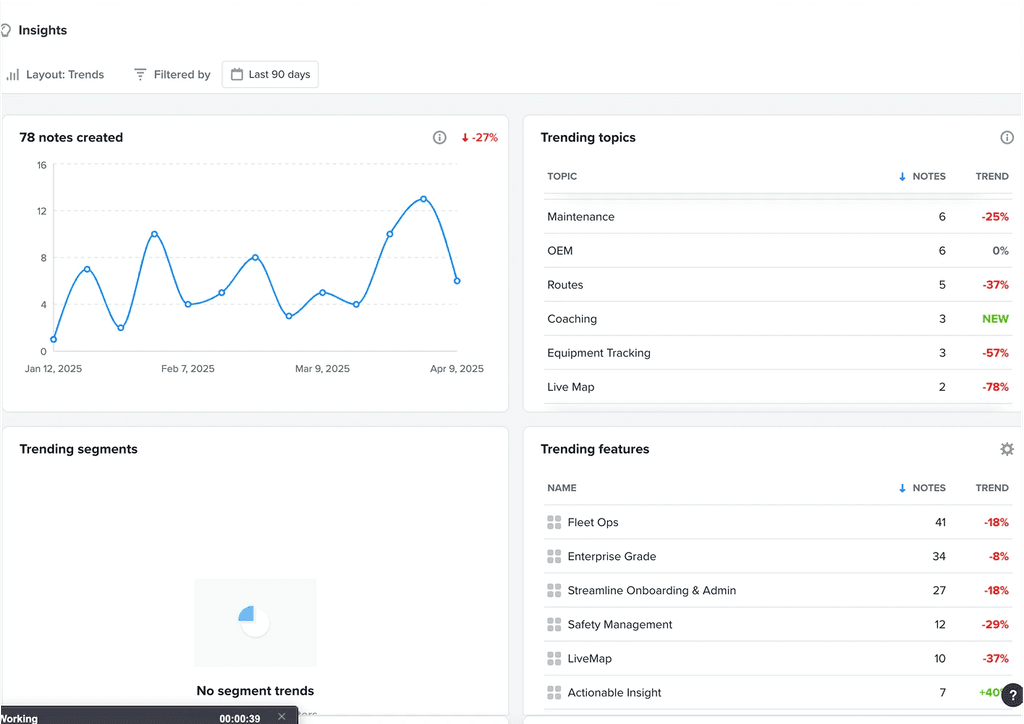
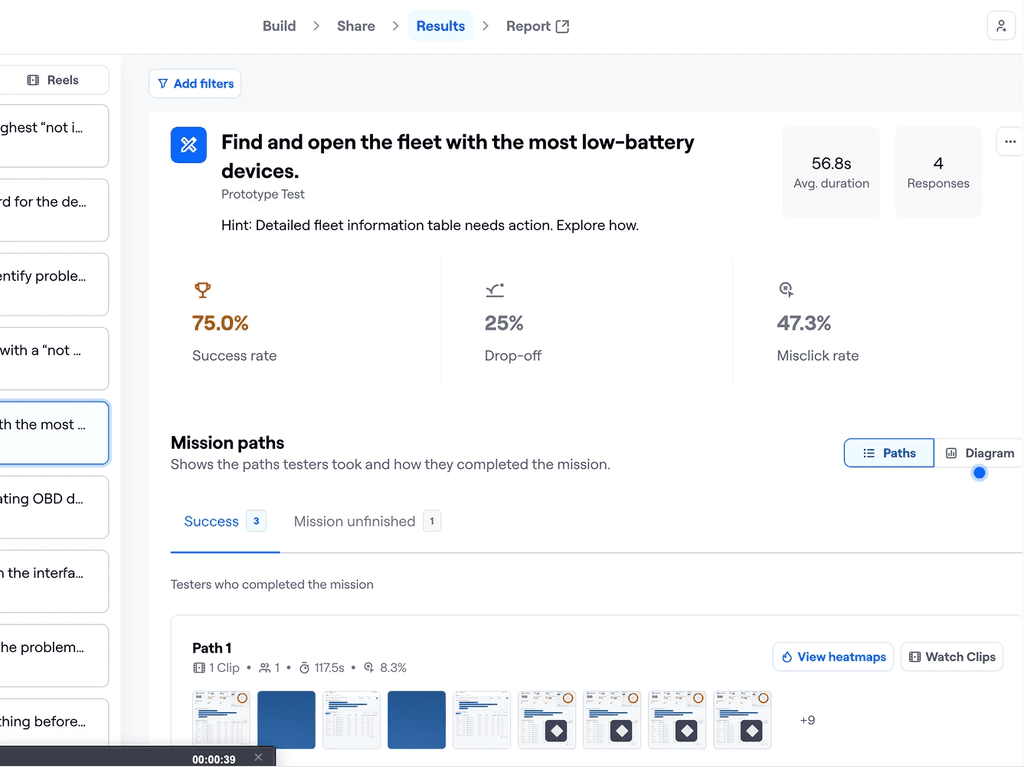
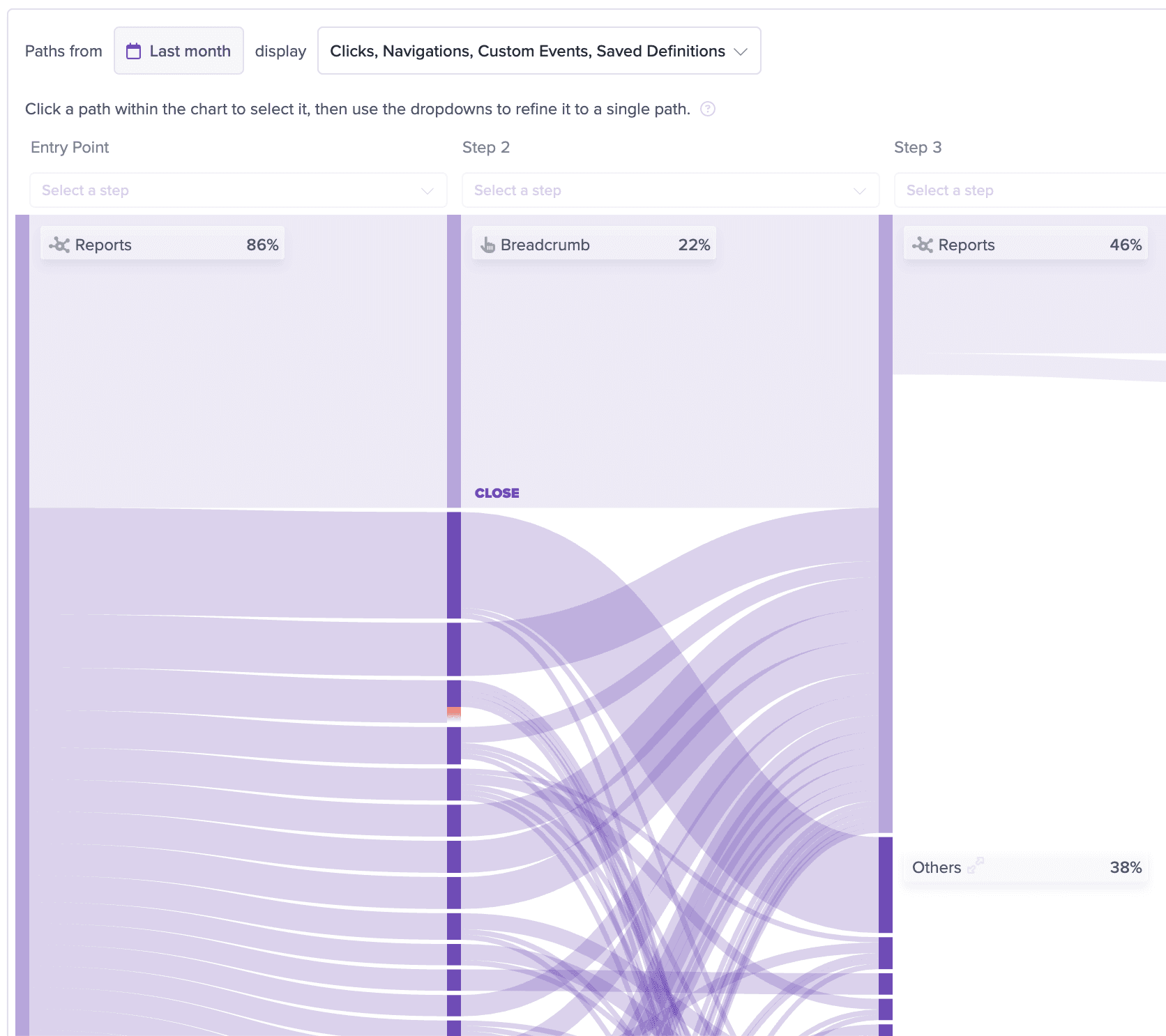
While marketing and sales may sell the product, a shared understanding of ‘what value are we delivering?’ is what truly aligns us. I track usability metrics through Pendo, run usability testing via Maze, and maintain a feedback loop through Product board, regular calls, and feedback emails. Different teams handle the setup, but interpreting these insights and deciding the next course of action falls to me. My role is to ensure that every iteration is informed, strategic, and focused on improving the user experience not just reacting to numbers, but using them to shape a stronger, more intuitive product.

While marketing and sales may sell the product, a shared understanding of ‘what value are we delivering?’ is what truly aligns us. I track usability metrics through Pendo, run usability testing via Maze, and maintain a feedback loop through Product board, regular calls, and feedback emails. Different teams handle the setup, but interpreting these insights and deciding the next course of action falls to me. My role is to ensure that every iteration is informed, strategic, and focused on improving the user experience not just reacting to numbers, but using them to shape a stronger, more intuitive product.

3. Product North Stars & Strategy

3. Product North Stars & Strategy

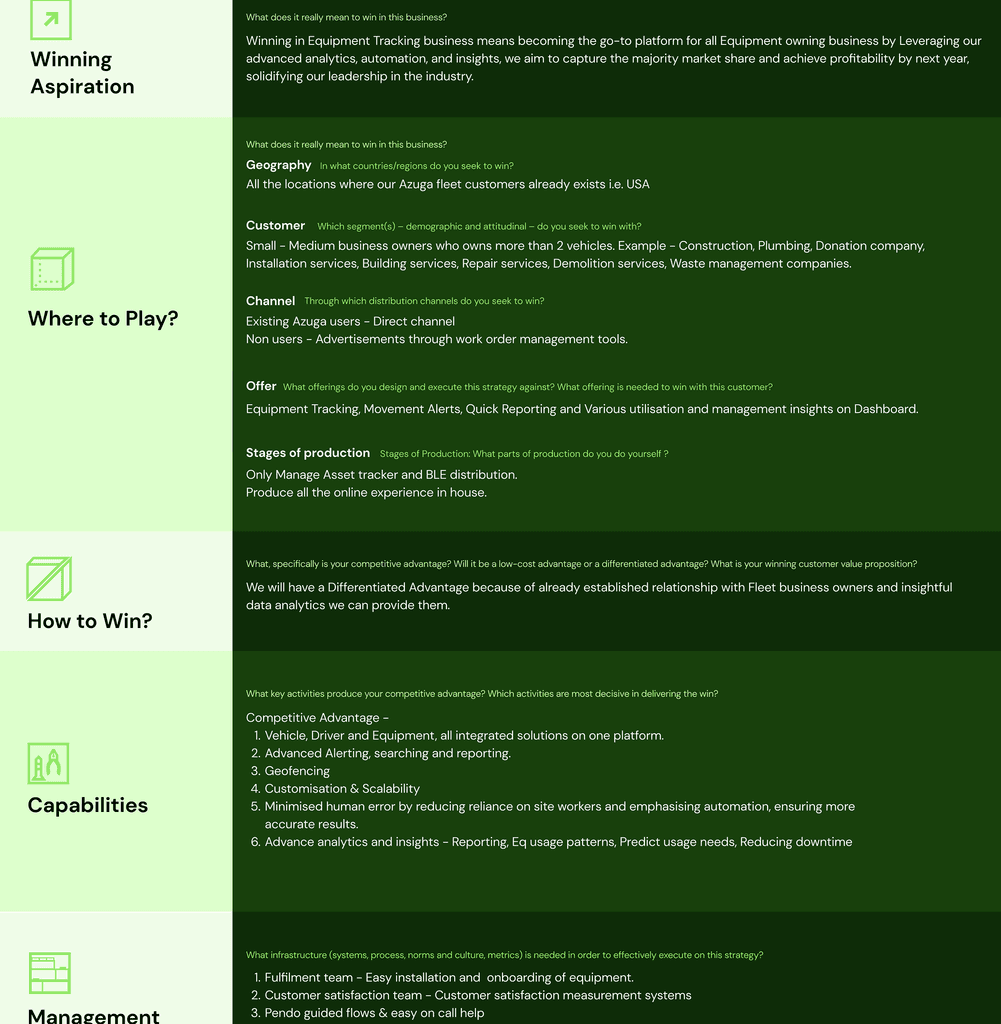
I love the process of discovering the real problem statement, it gives me purpose, and more importantly, it gives the team clarity and direction. When we understand the core issue, every design decision becomes more intentional, and the impact becomes more meaningful. I talk to potential users and current customers to uncover what will actually make their lives better, not just what fits within a given requirement. By pushing beyond the obvious and questioning the status quo, I ensure that the solutions we create don’t just check a box but drive real, measurable improvements in people’s experiences.
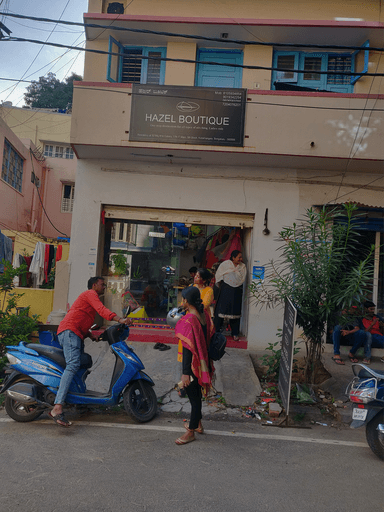
I love the process of discovering the real problem statement, it gives me purpose, and more importantly, it gives the team clarity and direction. When we understand the core issue, every design decision becomes more intentional, and the impact becomes more meaningful. I talk to potential users and current customers to uncover what will actually make their lives better, not just what fits within a given requirement. By pushing beyond the obvious and questioning the status quo, I ensure that the solutions we create don’t just check a box but drive real, measurable improvements in people’s experiences.

4.Parternships and collaboration

4.Parternships and collaboration

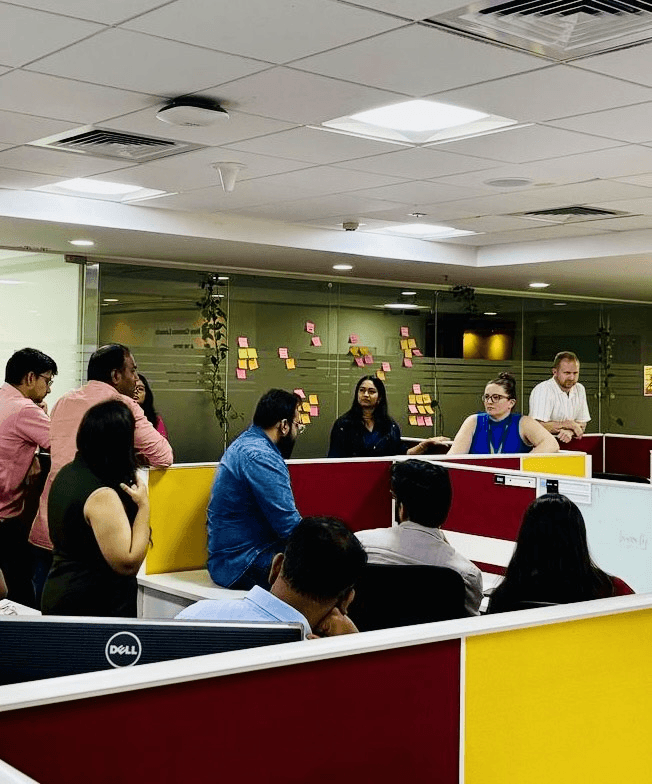
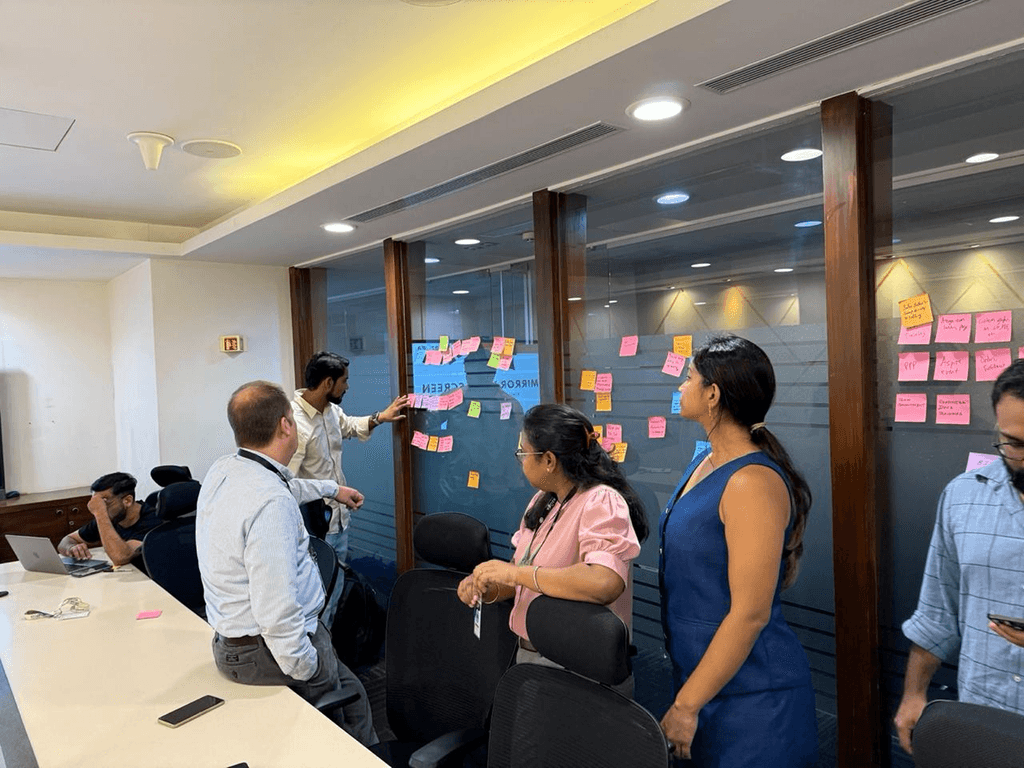
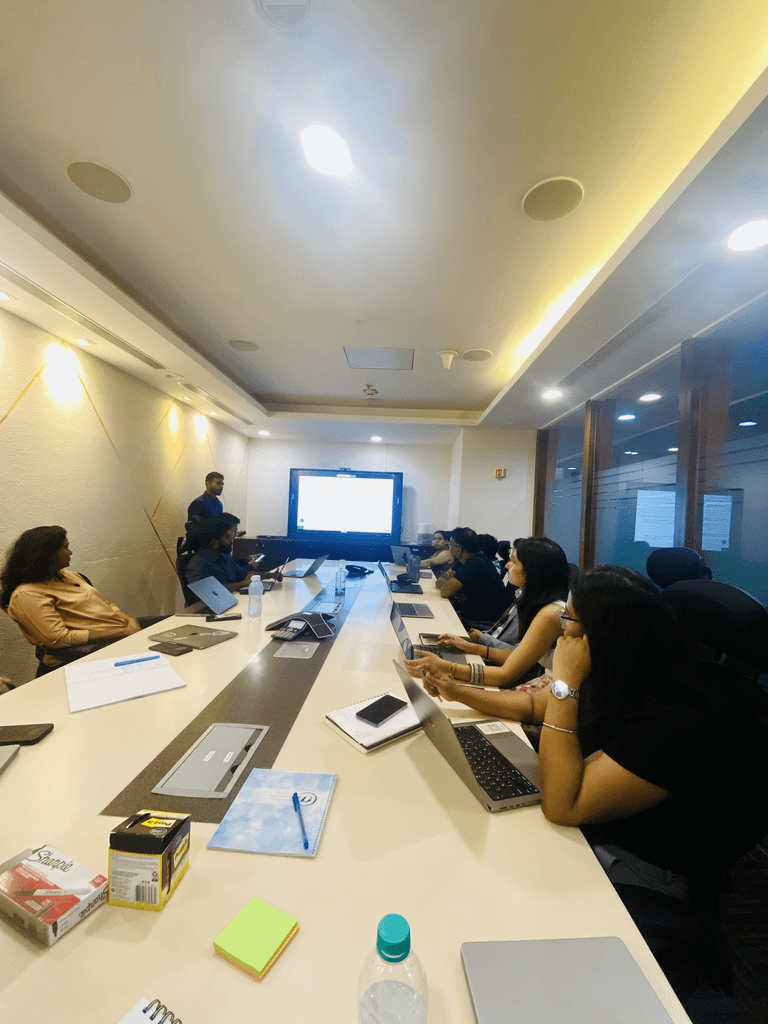
My design work thrives through meaningful collaboration across teams. With Product Managers, I leverage deep product knowledge to define clear priorities and acceptance criteria. Engineering partnerships involve finding the optimal balance between design vision and technical feasibility without compromising user value. I advocate for customers with leadership by translating research data into business-relevant insights. Internally, I've helped establish efficient processes for design handoffs, system maintenance, and research coordination that keep our team aligned and effective. These collaborative relationships form the foundation of my design practice, enabling solutions that transcend what any individual could create alone.

My design work thrives through meaningful collaboration across teams. With Product Managers, I leverage deep product knowledge to define clear priorities and acceptance criteria. Engineering partnerships involve finding the optimal balance between design vision and technical feasibility without compromising user value. I advocate for customers with leadership by translating research data into business-relevant insights. Internally, I've helped establish efficient processes for design handoffs, system maintenance, and research coordination that keep our team aligned and effective. These collaborative relationships form the foundation of my design practice, enabling solutions that transcend what any individual could create alone.